What this is
Most Islamic material online falls into one of two piles. Either it is devotional and unsourced, so a reader cannot check anything, or it is academic and inaccessible, so a reader cannot use it. IDS is an attempt at the space between: material a beginner can read and a specialist cannot fault on its references.
The organising claim is the one in the name. The Qur’an describes a nizam (نظام), an order, in which the prayer and the contract and the inheritance share and the treatment of a neighbour are all parts of the same thing. A site arranged as though worship were one subject and economics another would already have conceded the argument before making it.
What is on it
Counted from the site itself, so these numbers are current rather than remembered.
Islam Basics
44 articlesPlain, sourced answers to what Islam asks and why. The place to start.
The Atlas
13 dossiersLong-form research on lands, causes, creed and civilisation, most of it bilingual.
Sahil Adeem
44 studiesStructured extractions from his lectures and tafsir, with the references he uses.
The Qur'an
114 surahsA word explorer, the four-compartments tool, and Tafsir al-Razi in full.
Hadith
17 collectionsThe major collections, searchable, with every citation on the site linking into them.
Arabic Grammar
10 daysA graded academy in English and Urdu, with a sarf lab and a word finder.
The Library
16 essaysStructured readers for classic works, and scanned Urdu essays with inline viewers.
Masail & Fatawa
1 rulingsEveryday questions of fiqh, each traced to the evidence it rests on.
How the material is made
These are rules the whole site keeps, and they are worth stating because they are what separate it from a blog with the same subjects.
- Every āyah is a link. A verse cited anywhere on the site opens on that exact verse in the Word Explorer. No reader is asked to take a reference on trust, and no citation is left as a bare number.
- Hadith are graded, and weak reports are named as weak. Several pages here drop a saying that is widely quoted, because its chain does not hold, and then show that the point stands on other evidence.
- Custom is separated from religion. Dowry demands, forced marriage and denial of inheritance are named as inherited practice that the rulings forbid, rather than argued about as though they were the religion.
- Contested things are stated as contested. Where the schools differ, the page says so and gives both positions. Where history is uncomfortable, it is conceded before the argument is made.
- Arabic is shown, not paraphrased. Every transliterated term and name carries its script, so a reader can look it up in a dictionary rather than depend on this site’s rendering of it.
Who is behind it
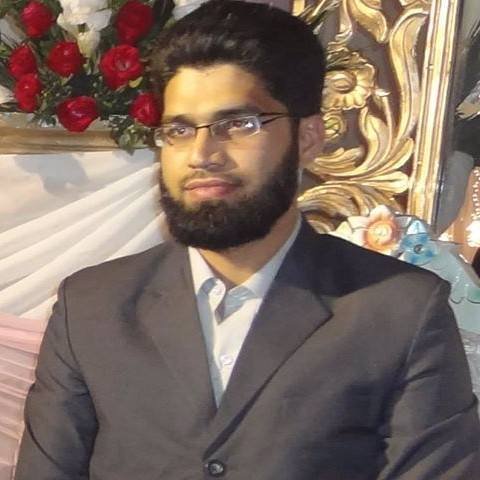
Abu Ibrahim
ابو ابراھیم
Founder and author
Abu Ibrahim is the author and founder of IDS (Islamic Divine System). His work maps the Qur'an, the Sunnah, and classical scholarship into one coherent system: from the Divine order and the Holistic Nizam to the Palestine Atlas, the Sahil Adeem studies, and this community.
Getting in touch
Corrections are welcome and acted on. If something here is wrong, or a reference does not check out, say so and it will be fixed.